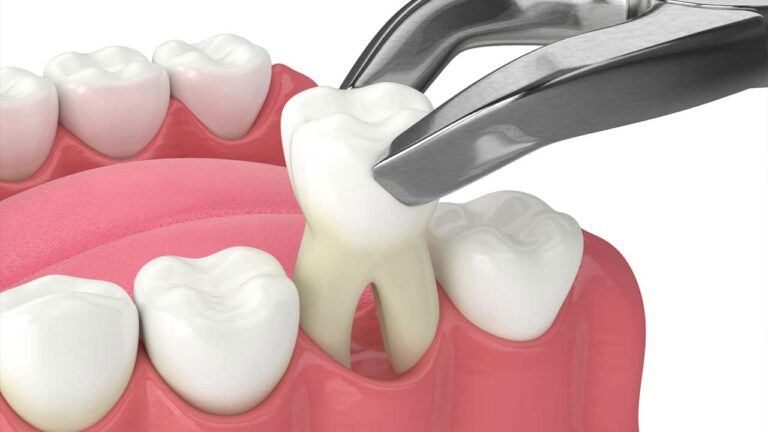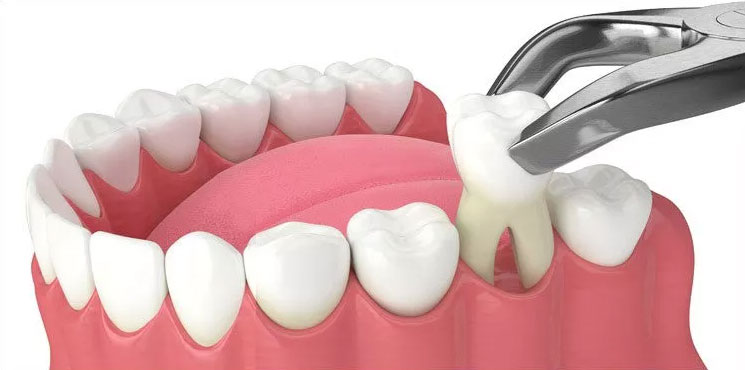
Getting a tooth extracted is a big step for your oral health. Whether you had a troublesome wisdom tooth removed or needed an extraction to prepare for other dental work, the hard part is officially over. You are now on the road to recovery. At Celebrity Smiles, we know that once you leave our chair, the real work begins at home.
We often tell our patients that a successful surgery is a 50/50 partnership. We handle the procedure with precision and care in the office, but how you care for yourself in the days following determines how quickly and comfortably you heal.
It is completely normal to feel a little unsure about what to do once the numbness wears off. You might wonder what you can eat, how to manage the gauze, or when you can return to the gym. We have put together this comprehensive, easy-to-read guide to answer those questions. By following these instructions closely, you can prevent complications and get back to your smiling self in no time.
Why Postoperative Care Matters
Before we dive into the specific “do’s and don’ts,” it helps to understand what is happening in your mouth. After a tooth is removed, your body immediately starts working to heal the area. The most critical part of this process is the formation of a blood clot in the empty tooth socket.
Think of this blood clot as a natural bandage. It covers the exposed bone and nerve endings, protecting them while new tissue grows. Most of the instructions below are designed to protect this clot. If it gets dislodged or dissolves too early, it can lead to a painful condition called “dry socket.” The good news is that dry socket is highly preventable if you stick to the plan.
The First 48 Hours: Critical Rules
The first two days are the most important window for healing. During this time, you need to treat your mouth with extra care.
Habits to Avoid
To keep that protective blood clot safe, you must avoid creating suction or introducing irritation to the mouth.
- No Smoking: Do not smoke or use smokeless tobacco for at least 48 hours. The chemicals in tobacco can slow down healing, and the sucking motion of inhaling can pull the blood clot loose.
- No Alcohol: Avoid alcohol for at least 48 hours. Alcohol thins the blood, which can make bleeding last longer. It can also react negatively with pain medication or antibiotics.
- No Suction: Avoid spitting, rinsing forcefully, swishing liquids around, or sucking through a straw for at least 24 hours. Even the simple act of using a straw creates a vacuum in your mouth that can disturb the surgical site.
Caring for the Surgical Site
You will likely leave our office biting on a piece of gauze. This pressure is essential for stopping the bleeding and helping the clot form.
- The Gauze: Keep biting firmly on the gauze pack we gave you for at least 30 minutes. If you take it out and the bleeding hasn’t stopped, replace it with a fresh piece and bite down again. The key here is consistent pressure. It is better to hold steady pressure for a longer time than to keep checking and changing the gauze every few minutes.
- Managing Bleeding: Don’t be alarmed if you see a little pink on your pillow. Slight bleeding or “oozing” is normal for the first day or two. We recommend putting an old towel or pillowcase over your pillow just in case.
- Reducing Swelling: Swelling is your body’s natural reaction to surgery. To keep it under control, use ice packs on the side of your face where the surgery happened. Use the “20 minutes on, 20 minutes off” method on the day of surgery. You will likely see the most swelling about 48 to 72 hours after the procedure, and then it will slowly go down.
Rest and Activity
We know life is busy, but this is your permission slip to take a break. Your body needs energy to repair tissue, so don’t spend it all on running errands or working out.
- Go Straight Home: After your appointment, go home and relax. If you were sedated, do not try to navigate stairs by yourself on the first day. Have someone help you.
- Take a Break from the Gym: Do not engage in sports, aerobics, or heavy lifting for at least 3 days. When your heart rate goes up, your blood pressure rises, which can cause the extraction site to start bleeding again.
- Keep it Gentle: Even when you are just resting, remember to avoid those suction actions—no spitting or rinsing for the first 24 hours.
Managing Medications
We may have prescribed medications to keep you comfortable and infection-free. Managing these correctly is a big part of a smooth recovery.
- Antibiotics: If your doctor prescribed antibiotics, take them exactly as directed and finish the bottle. Even if you feel fine after a few days, stopping early can allow the infection to return or create resistance to the medicine.
- Pain Medication: Take pain relievers as directed to stay ahead of any discomfort. Please use caution: Do not drive or operate machinery while taking prescribed pain medication, as it can make you drowsy.
- Mouth Rinse: We might give you a special prescription mouth rinse. Start using this 24 hours after surgery (not before!) to keep the area clean without disturbing the clot.
What to Eat and Drink
Nutrition is vital for healing, but your usual menu might need a temporary adjustment. For the first 24 to 48 hours, stick to a soft diet.
Safe Foods to Enjoy
Think comfort food! Here are some great options that won’t irritate your gums:
- Pastas and mashed potatoes
- Warm soups (avoid anything piping hot)
- Scrambled eggs
- Yogurt and pudding
- Milkshakes and seedless smoothies (remember: eat these with a spoon, not a straw!)
Foods to Avoid for One Week
Steer clear of foods that are sharp, crunchy, or acidic, as they can poke the surgical site or cause stinging.
- Crunchy Snacks: Popcorn, chips, and nuts can break into sharp shards.
- Small Seeds: Fruits with seeds (like raspberries or strawberries) can get stuck in the socket.
- Acidic Foods: Oranges, tomatoes, and spicy sauces can be very irritating to a healing wound.
- Carbonated Drinks: The bubbles can be irritating, so stick to water and juice.
When to Call the Doctor
While some soreness is expected, we want to make sure you stay safe. Most recoveries go very smoothly, but you should contact Southwest Celebrity Smiles immediately if you notice:
- A fever (temperature greater than 101.5°F).
- Increasing pain that doesn’t get better with your medication.
- Bleeding or swelling that seems worse than what we told you to expect.
Your Smile is in Good Hands
Recovery takes a little patience, but by following these steps, you are setting yourself up for the best possible outcome. Be gentle with yourself, eat some ice cream, and let your body heal. We are here for you every step of the way!