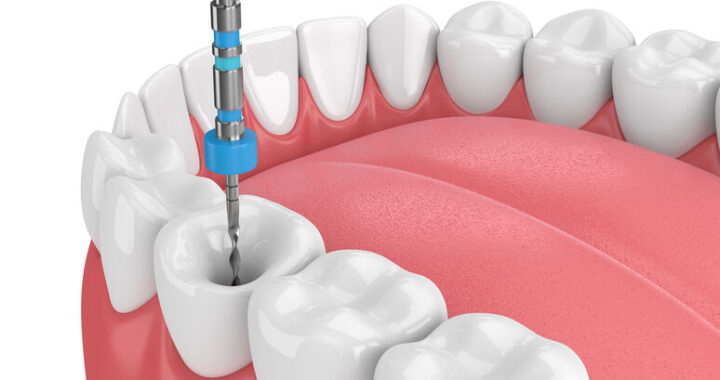
Congratulations on taking a vital step toward preserving your natural smile. Root canal therapy is an excellent way to save a damaged or infected tooth, relieve pain, and restore your oral health. However, a successful treatment does not end the moment you leave the dental chair. Proper aftercare is essential for a smooth and comfortable recovery.
Root canal therapy often takes one to two appointments to fully complete. Between these visits and after your final treatment, you play a critical role in the healing process. At Celebrity Smiles, we want to ensure you feel confident and comfortable every step of the way.
We created this comprehensive guide to help you understand your post-operative instructions. Read on to learn how to manage numbness, protect your temporary dental work, handle normal discomfort, and understand the importance of your follow-up care.
Managing Numbness Safely
To keep you comfortable during your root canal, your dentist uses a local anesthetic. Because of this, your lips, teeth, and tongue will remain completely numb for several hours after your appointment.
While this numbness is perfectly normal, it requires careful management once you head home. When your mouth is numb, you lose the ability to accurately feel temperature and pressure. You must avoid chewing on the side of the treated tooth until the numbness completely wears off. It is surprisingly easy to accidentally bite your tongue, lips, or the inside of your cheek when you cannot feel anything. We also highly recommend avoiding hot beverages like coffee or tea until you regain full feeling to prevent accidental burns.
Caring for Your Temporary Filling or Crown
Between your root canal appointments, your dentist places a temporary filling or a temporary crown over the treated tooth. This temporary barrier protects the delicate internal structures of your tooth while you wait for your next visit.
It is very common for a small portion of your temporary filling or crown to wear away or slightly chip off between appointments. This minor wear is not a problem and does not require immediate attention. However, if the entire temporary filling falls out, or if your temporary crown comes completely off, please call our office right away so we can replace it.
To protect the treated tooth and help keep your temporary restoration securely in place, follow these dietary guidelines:
- Avoid chewing any sticky foods, especially chewing gum or caramel.
- Avoid biting down on hard foods like nuts or hard candy.
- Never chew on hard substances such as ice, fingernails, or the ends of pencils.
- Whenever possible, chew your food only on the opposite side of your mouth.
Handling Normal Discomfort
It is completely normal to experience some discomfort for several days following a root canal appointment. Your tooth just underwent a significant procedure, and the surrounding tissues need time to settle down.
You might notice that the tooth feels tender, uncomfortable, or exhibits a dull ache, especially when you apply pressure by chewing. Even if you were not experiencing any tooth pain prior to your treatment, you should expect some degree of tenderness for a few days. This mild discomfort is no cause for alarm and should slowly subside within a few days to a few weeks.
If we did not prescribe a specific pain medication for you, we recommend taking over-the-counter options to control the discomfort. Medications like ibuprofen (Motrin, Advil, Nuprin) or naproxen (Aleve, Anaprox) work exceptionally well to reduce dental inflammation and alleviate soreness. Always follow the package instructions for the correct dosage.
To further reduce pain and swelling, you can use a warm salt water rinse three times a day. Simply dissolve one teaspoon of salt into a cup of warm water. Gently rinse, swish the solution around the treated area, and spit it out. Remember to continue brushing and flossing your other teeth normally to maintain your overall oral hygiene.
Taking Prescribed Medications
In some cases, your dentist may prescribe antibiotics to clear up a lingering infection. If we prescribe antibiotics for you, you must continue to take them for the entire indicated length of time. Do not stop taking the medication early, even if all your symptoms and signs of infection completely disappear. Finishing the full course ensures the infection is entirely eradicated.
The Importance of Follow-Up Care
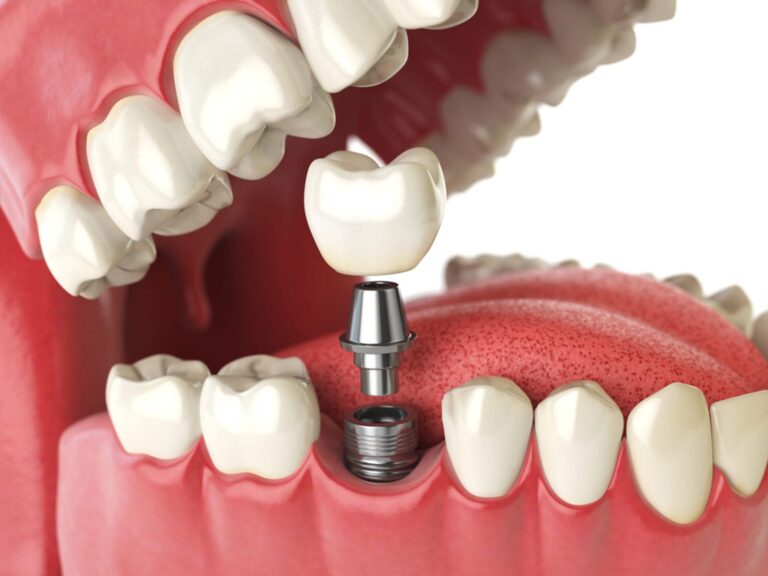
Usually, the final step after completing a root canal treatment is placing a permanent crown on the tooth. A root canal removes the internal nerve and blood supply of the tooth, which can make the remaining enamel brittle over time. A custom crown covers the entire visible portion of the tooth, protecting it from breaking or fracturing in the future.
Unless your dentist specifically notes otherwise, it is absolutely critical to have a permanent crown placed on your treated tooth as soon as possible. Delaying this final restoration puts your tooth at serious risk. Without the protection of a crown, the tooth can easily fracture, which often results in the complete loss of the tooth.
When to Contact Celebrity Smiles
Your health, comfort, and peace of mind are always our top priorities. While mild tenderness is normal, certain symptoms indicate that you need a quick follow-up.
Please call our office immediately if you experience any of the following:
- Discomfort that you cannot control with over-the-counter or prescribed pain medications.
- Visible swelling in your gums, jaw, or face.
- An uneven bite, or a feeling that the treated tooth hits before your other teeth when you close your mouth.
- Persistent, throbbing pain that worsens over time.
If you have any questions, concerns, or need to schedule your final crown placement, we are here to help. Contact Celebrity Smiles today, and let us ensure your recovery is smooth and your smile remains beautifully restored!